
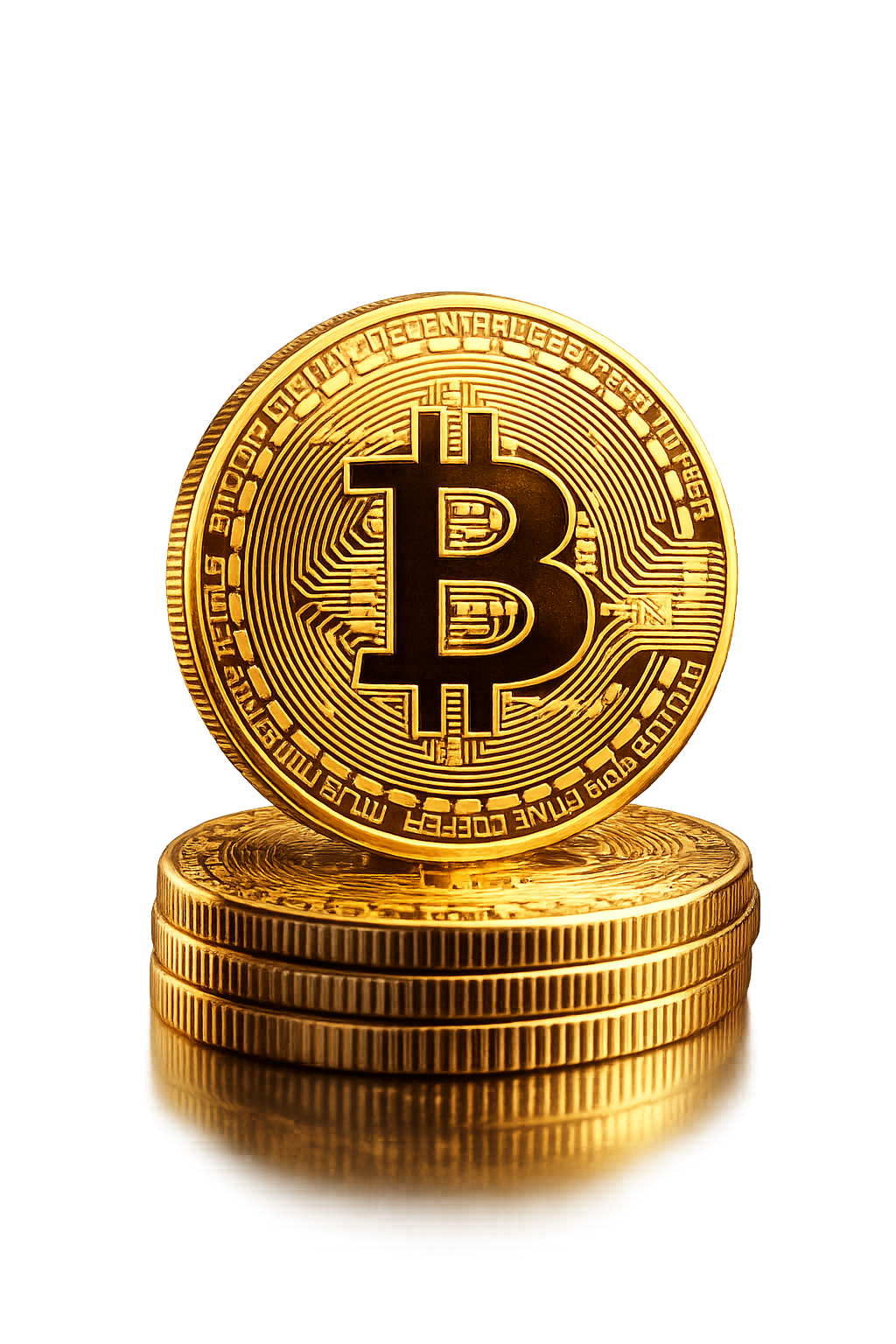
Bitcoin is a decentralized digital currency that allows people to send value over the internet without relying on banks or governments. It was introduced in 2008 by an unknown person or group using the name Satoshi Nakamoto, with the network launching in 2009.
Bitcoin was created in response to weaknesses in the traditional financial system, especially after the 2008 financial crisis. Its goal is to enable peer-to-peer money that is censorship-resistant and not controlled by any single authority.
Transactions are recorded on a public ledger called the blockchain
Computers called miners verify transactions and secure the network
Miners are rewarded with newly created bitcoin and transaction fees
There will only ever be 21 million BTC, making it scarce by design
Decentralized – no central bank
Scarce – fixed supply
Borderless – works globally
Transparent – anyone can verify transactions
Pseudonymous – identities aren’t directly tied to wallets
Store of value ("digital gold")
International payments
Hedge against inflation (debatable, but often cited)
Financial access in countries with unstable currencies
High price volatility
Regulatory uncertainty
Energy usage from mining
Irreversible transactions (no chargebacks)
The smallest unit of bitcoin is a satoshi (0.00000001 BTC)
The first real-world BTC purchase was two pizzas in 2010 for 10,000 BTC
If you want, we can go deeper into price, how to buy, how mining works, security, or whether Bitcoin is a good idea for you.